

Larun, “mirador de la Costa Vasca”
En la muga entre Navarra y Lapurdi, con sus 905m. de altitud, se encuentra Larun, el “mirador de la Costa Vasca”. Es la cumbre más occidental del Pirineo con cierta relevancia y desde allí se divisan ambos lados del Bidasoa.
Son numerosas las vías de ascensión a esta cumbre. Gran variedad de itinerarios parten por sus dos vertientes (Bera, Sara, Ascain, Olhette…). Por su falda pasa además el sendero de Gran Recorrido GR 10. En el camino a pie, hay ocasión de ver búnkers y crómlech.
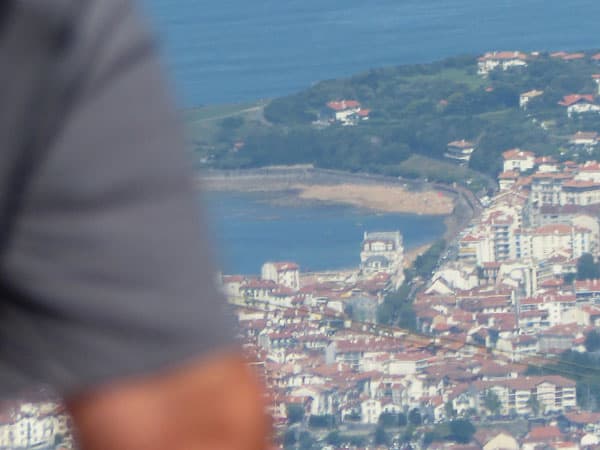
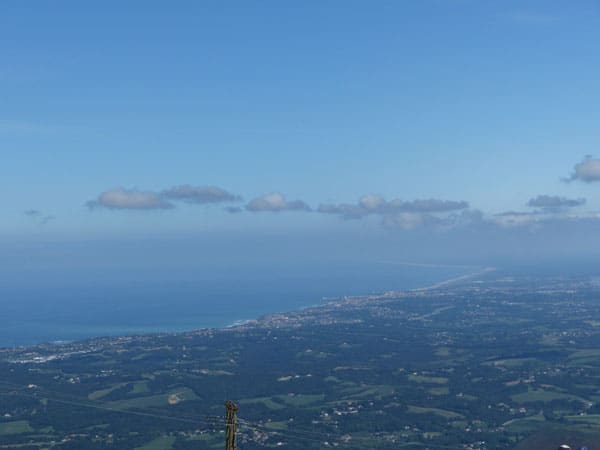
Sin embargo, y a pesar de ser un monte, no son precisamente los montañeros quienes más lo visitan, sino los turistas. De hecho se ha convertido en uno de los lugares más visitados de Euskal Herria. La razón principal es la impresionante panorámica que se divisa desde la cima, a 905 metros de altura. Larun es el “mirador de la Costa Vasca” un mirador de 360º desde donde se puede observar toda la costa labortana, así como la Bahía de Txingudi. No en vano, 3*** en la Guía Verde Michelín avalan su calidad turística.
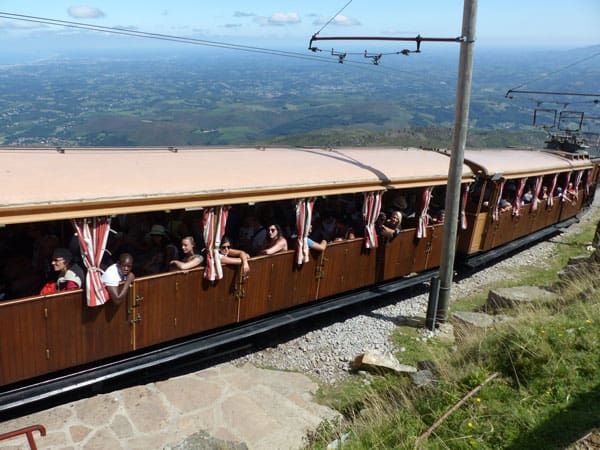
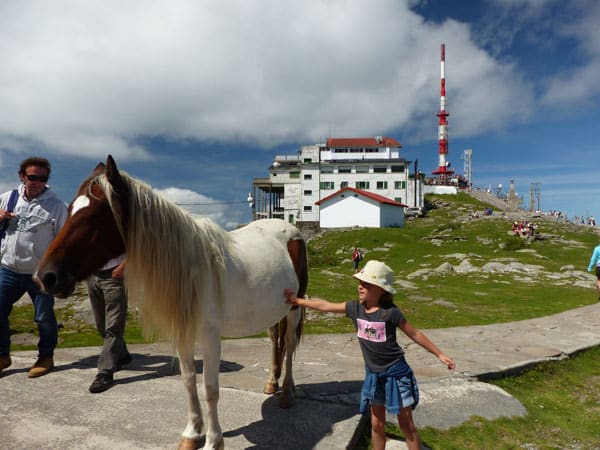
Le Petit Train que parte desde Saint-Ignace, entre Askain y Sara, es el medio más utilizado por los visitantes para acceder a la cima. Se trata de un coqueto tren de cremallera construido en 1925. La “estación” se encuentra a escasos kilómetros de Urdax y Zugarramurdi y a 10 kilómetros de San Juan de Luz. En un recorrido de 35 minutos alcanzaremos la cima y en el camino, podremos divisar pottokas (poneys característicos de la zona), ovejas, buitres salvajes,…
Llama la atención la inmensa panorámica que se divisa desde la cima, por eso Larun es el “mirador de la costa vasca”, el “mirador del Bidasoa” . Pero también son llamativos los grandes edificios construidos en la cima. Las Ventas, donde el visitante puede comer, tomarse un café o incluso comprar souvenirs.
Unas pinceladas de historia
Juan Peña, un joven de Bera, fue quien en 1947, decidió montar un pequeño negocio en una cabaña de piedra cerca de la cima del monte Larun. Allí proveía de naranjas, bebidas, alpargatas… a los franceses que subían en el pequeño tren. Y es que después de la II. Guerra Mundial las fronteras estaban cerradas y en Francia había escasez de suministros.
Así las cosas, en los años 50, construyó una cabaña de madera más cerca de la cima y a finales de esa década se instalaría definitivamente en lo más alto del monte.
Al principio subían a lomos de mulos o tirados por bueyes los materiales de construcción y las mercancías. Sin embargo, más tarde, instalaron un sistema de cables activado por poleas y con 12 jaulas en las que, de forma rotatoria, se transportaba la mercancía. En los años 70 se construyó la pista que accede a la cima y se pudieron emplear vehículos todo-terreno para el transporte.